Destinations
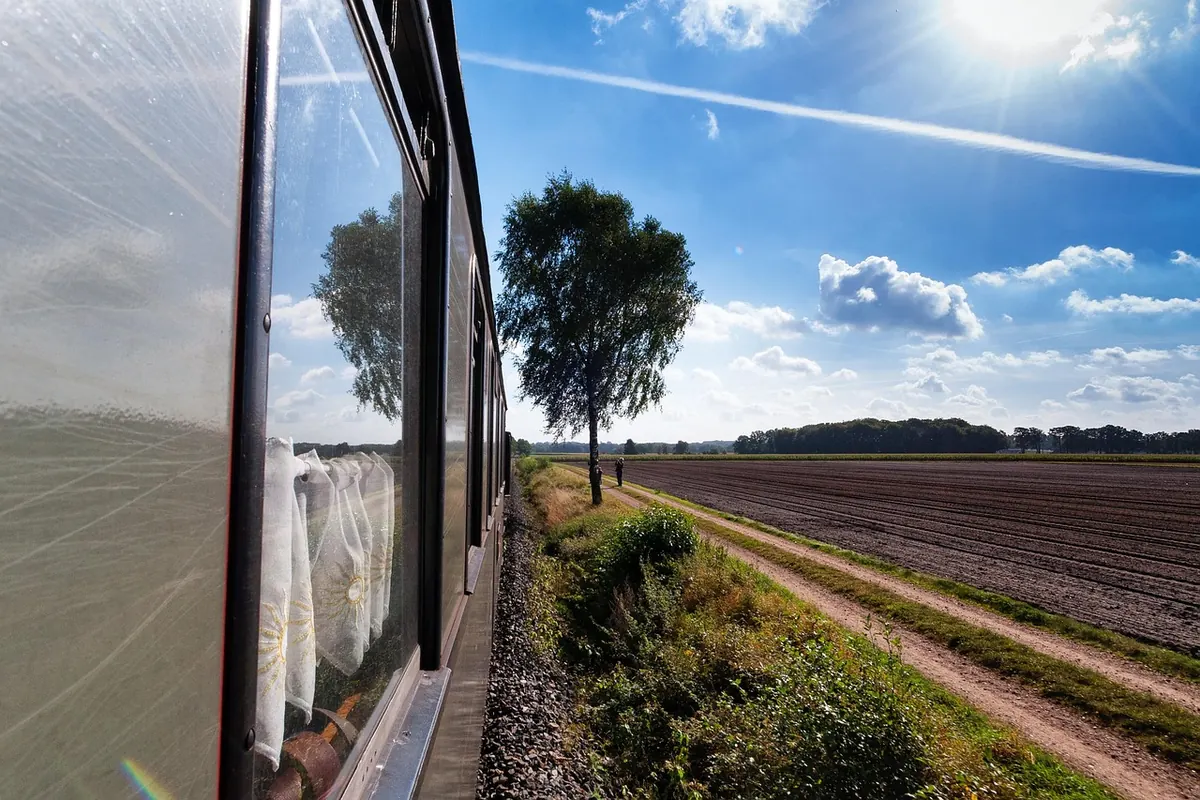
A Beginner's Guide to Planning a UK Weekend Break by Train
The 18:12 out of King's Cross is full of two sorts of people: those who have packed for a fortnight and those who have packed for one night. The second group always looks happier. A two-day rail break is a small, satisfying puzzle. Pick a town with a station near the middle, buy the tickets in the right order, carry one bag, and let the trains do the driving. Get those four things roughly right and you can leave on Saturday morning, be home by Sunday evening, and feel as though you have actually been somewhere.
Start with the base, not the itinerary
Most first-timers write a list of sights, then hunt for a hotel near them. Work the other way round. A good rail base has three qualities: a station within a ten- or fifteen-minute walk of the centre, enough to fill a day without a car, and a short hop to somewhere else for day two.
Check where the station actually is
Some towns have a station that sits a mile or two from the middle, and some have a "Parkway" station that is really a car park in a field. Open a map before you book anything. Ten minutes on foot is ideal; twenty is workable if you are not hauling a heavy case; a taxi each way twice a day will quietly eat into the weekend.
Cathedral cities and market towns tend to do this well, because they grew up around a walkable centre. So do many coastal towns, where the station is often a short stroll from the seafront. Smaller places have the added advantage that you can see the whole of them properly in two days rather than skimming the highlights of a large city.
One base, two nights
Resist the urge to stay somewhere different each night. Packing, checking out and finding the next hotel can swallow half a day, and you will spend it on a platform rather than in a place. Two nights in one town, with one day exploring locally and one day trip of twenty to forty minutes by train, gives you far more of a break for the same effort.
Tickets: what to book first, and how splitting works
Buy in this order and you will rarely overpay.
Advance singles, bought early
Advance fares are tied to a specific train and are released roughly three months before travel, though the exact window varies by operator. The cheapest ones sell out first, particularly on Friday evenings and Sunday afternoons. If your dates are fixed, these are almost always the best value. If they are not, a flexible ticket costs more but lets you change your mind.
Also check two singles against a return. On many routes the pair is cheaper; on plenty of others it is not. It takes thirty seconds to compare.
Split ticketing, explained plainly
A ticket from A to C can cost more than a ticket from A to B plus one from B to C, even though you stay on the same train. This is not a loophole — it happens because each leg is priced separately and different operators run different parts of the route. The only firm rule is that the train must call at the station where you split; you cannot split at a place the train passes through without stopping.
Split-ticketing tools will do the searching for you, but check the result against the operator's own site before you buy. And understand the trade-off: with one through ticket, if a delay makes you miss a connection, the operator is generally obliged to get you to your destination. With separate tickets, you carry more of that risk yourself. So leave a generous margin at the split point — half an hour rather than five minutes — and never make a split connection your last train of the day.
Pack like you are getting off at every stop
One bag, carried by you, is the whole point of travelling by train. A soft holdall or rucksack is easier to lift into an overhead rack than a hard suitcase, and it will fit in the boot of a taxi or the corner of a small hotel room.
- Two outfits and one spare layer, plus a waterproof. You are going for two days, not two weeks.
- One charger, one power bank, one adapter if you need it. Ask yourself before each item goes in whether you would buy it again for this trip.
- A reusable bottle, filled at the station rather than bought on the train.
- Snacks. Station food is expensive and the trolley may not reach you.
- Screenshots of your tickets and bookings, in case the signal drops.
- Anything you would be stuck without if your bag went missing. Keep that in a small day bag.
Building an itinerary that survives Sunday
Structure each day around one anchor — a museum, a walk, a boat trip — with a loose wander either side. Trying to tick off six attractions on foot is how a weekend turns into a march.
Before you commit to anything, check three times: the first train of the day, the last train back, and whether local buses run in the evening. Sunday services on rural lines can be sparse, and a day trip that works perfectly on Saturday may be impossible the next morning. If you are visiting something popular, book a timed slot in advance; turning up and queueing is a poor use of a short break.
When the timetable changes under you
Delays happen, and a little preparation takes the sting out of them. Keep your tickets, including any reservations, because compensation schemes generally require them. Ask station staff rather than guessing — they know which alternative trains will accept your ticket. Rules and schemes differ between operators, so read the terms on the relevant operator's website rather than relying on a general rule you half remember.
Give yourself a buffer on the way home. Aim for a train that gets you back with an hour or two to spare before you actually need to be there, and avoid planning anything important for the evening after a long Sunday journey. If it runs late, you have lost nothing but an hour in a café.
The week-before checklist
- Confirm your tickets are for the right date and train, and that any split connections still work.
- Check for planned engineering works on your route — weekend closures are common.
- Download the operator's app and enable alerts for your specific services.
- Book any timed entries, and reserve a table if you want to eat somewhere popular on Saturday night.
- Look up the walk from the station to your accommodation and save it offline.
- Charge everything, and take a photo of your ticket reference in case your phone dies.
- Pack once, then take one thing out.
Do that, and the weekend largely runs itself. You arrive with a plan, you leave with a couple of places you wish you had had time for, and you start looking at the map for the next one on the train home.
Photo: SLPix / Pixabay
Related Articles